The Smell of the Shop
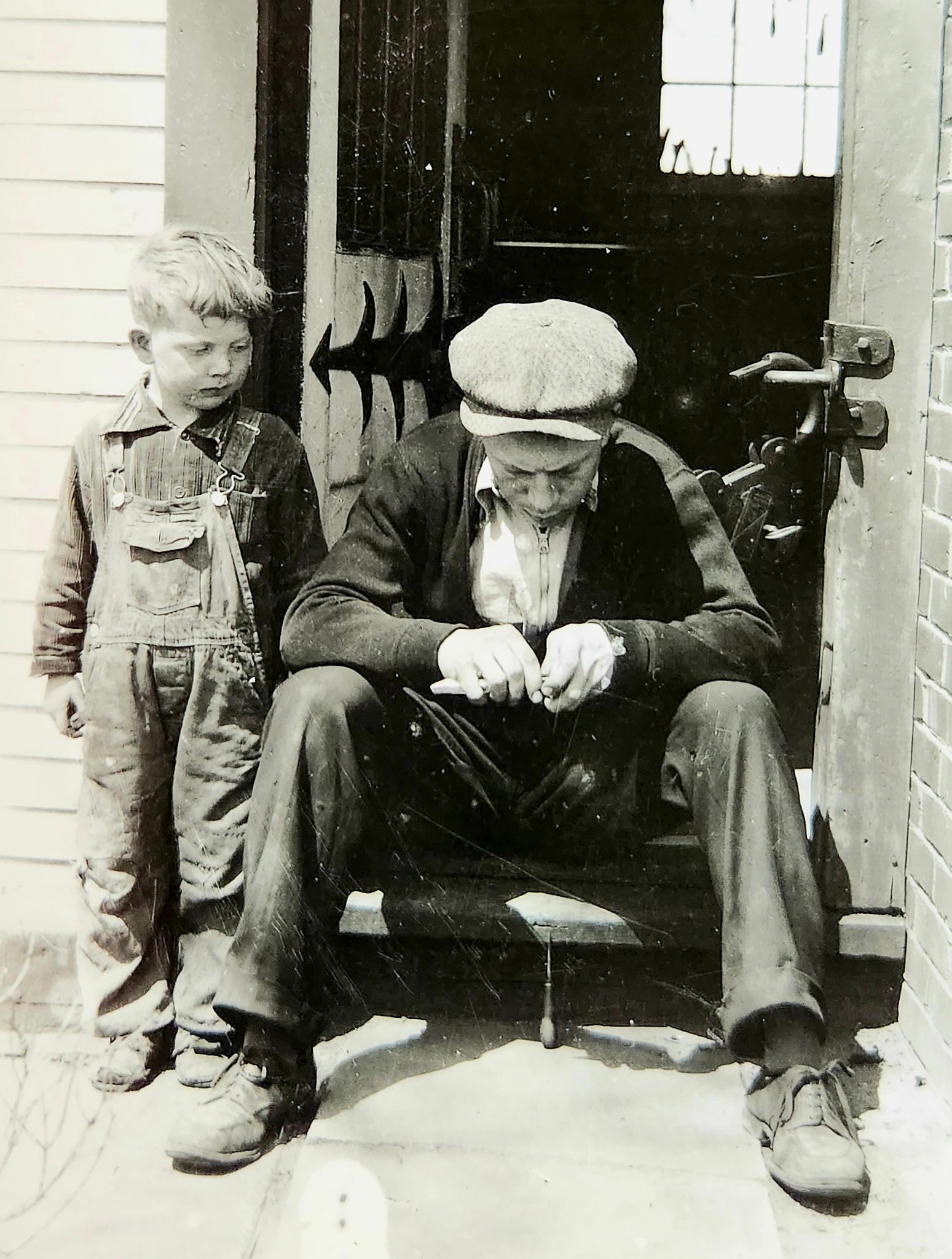
My education didn’t begin with a manual; it began with a scent. It was the heavy, metallic tang of spent brass, the sharp bite of Hoppe’s No. 9, and the earthy sweetness of wood shavings. As a boy, I didn’t just watch my father reload; I learned that a grain of powder is the difference between perfection and failure. I grew up understanding that a gun shop isn’t just a place of business—it’s a sanctuary for history.
Hands That Built History
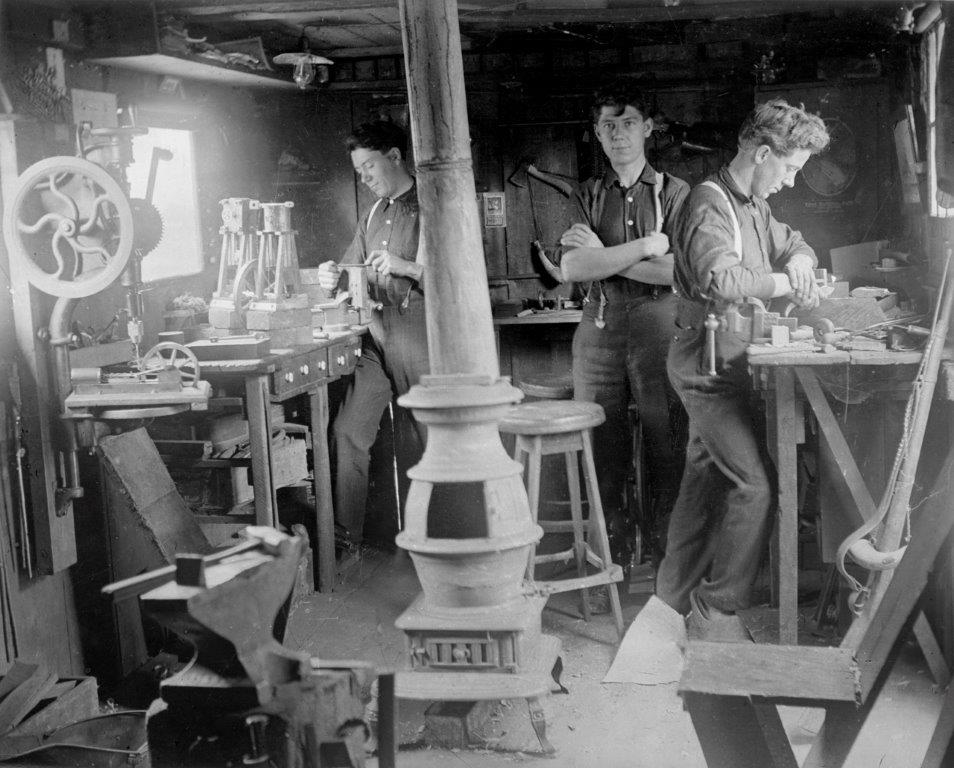
I come from a line of men who spoke through their tools. I can still see my great-grandfather’s hands—calloused, steady, and stained—as he shaped raw steel into knives that would last three lifetimes. That tradition followed us into the field. My weekends weren’t spent on a ball field; they were spent on the hallowed ground of Civil War reenactments, surrounded by the sulfurous thunder of black powder and the rhythmic clatter of authentic gear.
From Williamsburg to Springfield
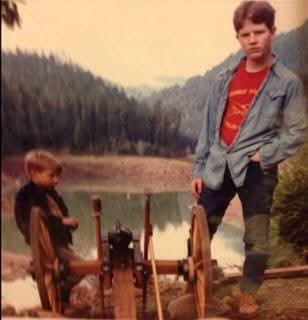
My obsession with the “how” took me from the soot-stained hearths of the Colonial Williamsburg gunsmith shop to the hallowed halls of the Springfield Armory; from Gettysburg to Monmouth and hunting trips across 1000’s of acres of Oregon to my local gun club, I have always reveled in learning about firearms. I’ve studied the evolution of the trigger pull from the flintlock era to the modern striker-fired pistol. Whether it’s the clockwork elegance of a 19th-century musket or the rugged utility of the Bren and Sten guns my wife has gifted me over the years, I see every firearm as a masterpiece of engineering.
Why I Work
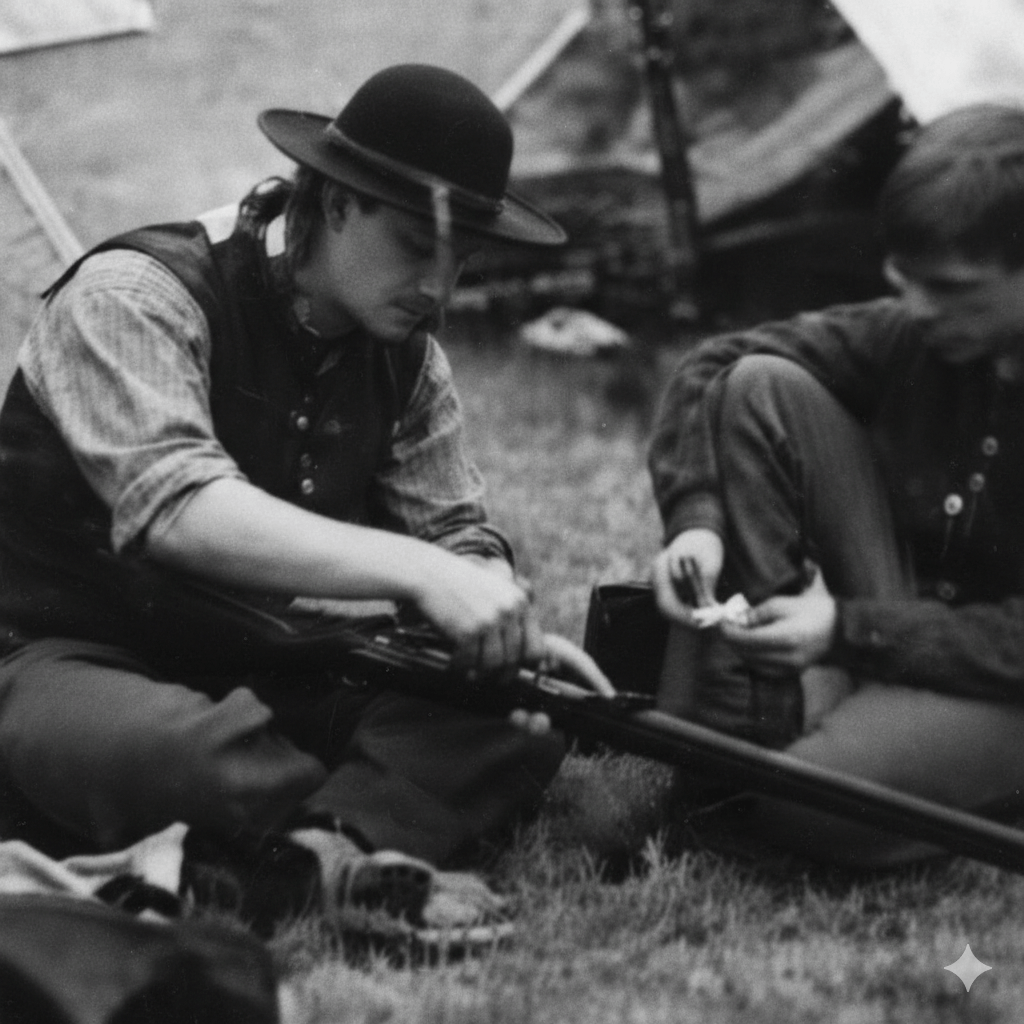
I don’t just “fix guns.” I preserve legacies. Whether you are bringing in a family heirloom that hasn’t fired since the 1860s or a modern handgun that needs a match-grade edge, I treat every piece with the same reverence my father taught me at that first workbench.
I work with my hands, but I lead with my heritage.
 Warthers Gunsmithi